Otizm Anka'da Hippoterapi
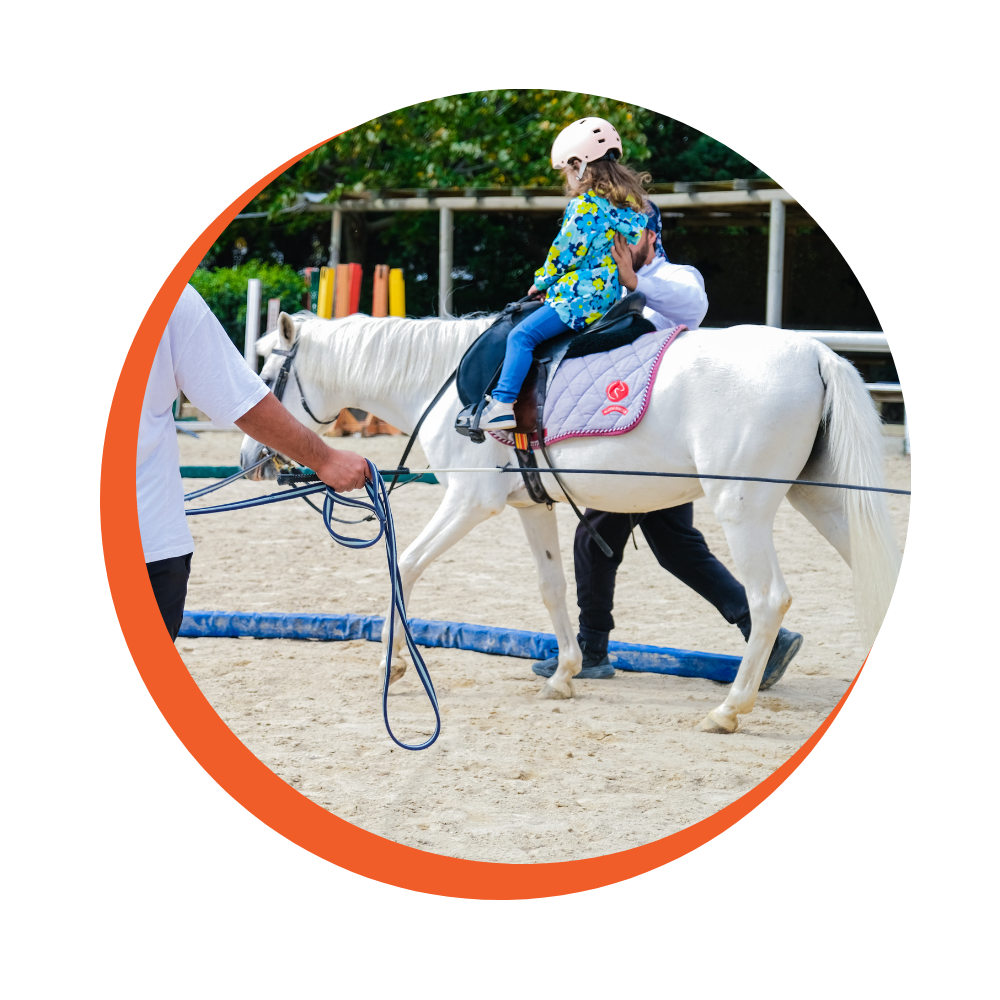
At Anka, hippotherapy is not a stand-alone method, it is a part of our multidisciplinary education approach.
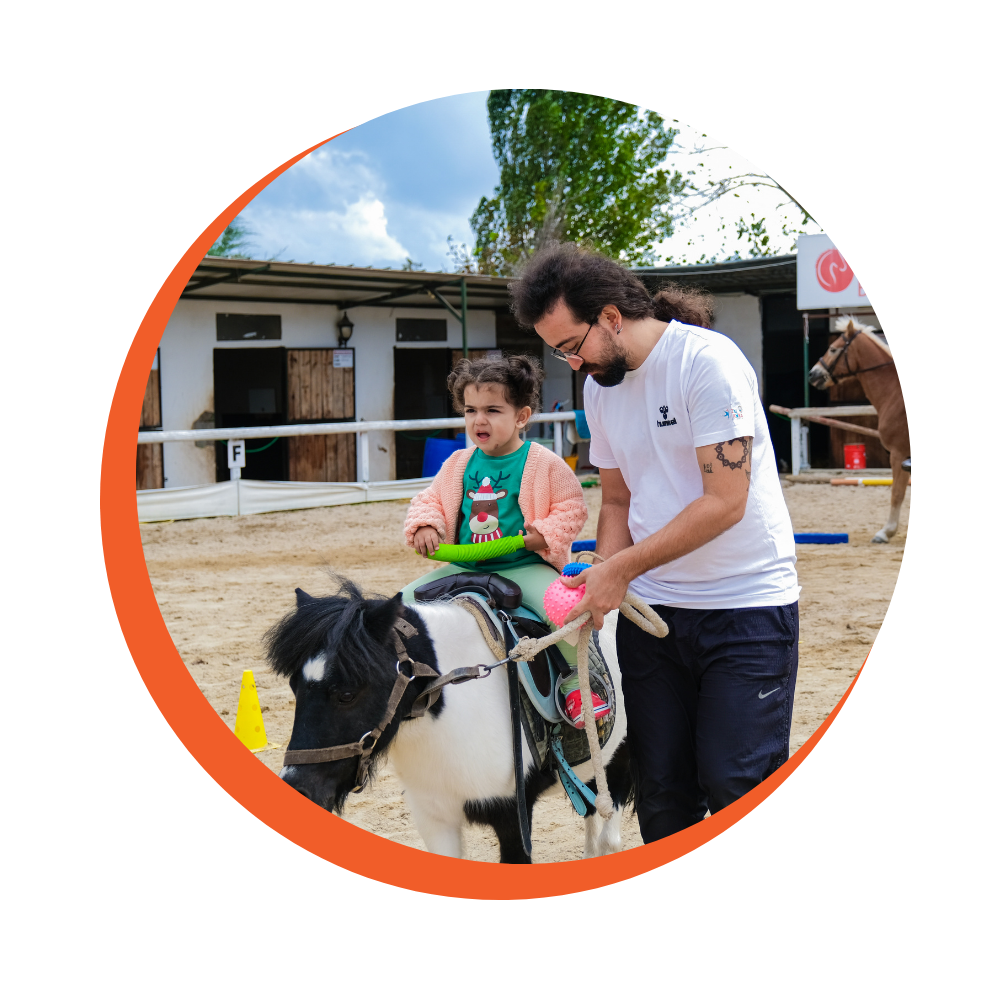
Autism Anka Educational Institutions provides different and non-boring therapy sessions to our special children with hippotherapy applications, therapeutic riding, therapeutic driving, therapy applications on the ground and huifbed hippotherapy method. For this reason, our special children accompany the therapies in a pleasant and willing way, thus contributing to the gains that they cannot achieve in normal therapies or that they have gained in a long time, with hippotherapy in a shorter time.
Why Hippotherapy
A horse can transmit about a hundred vibrational signals per minute to the rider. In hippotherapy, the average horse walks at a rate of about 100 steps per minute. Just 5 minutes on a walking horse represents 500 neuromotor inputs to an individual. In a typical therapy session, treatment that represents 1500 to 2500 neuromotor inputs to the individual may include 15-20 minutes of horse movement accompanied by a therapist.
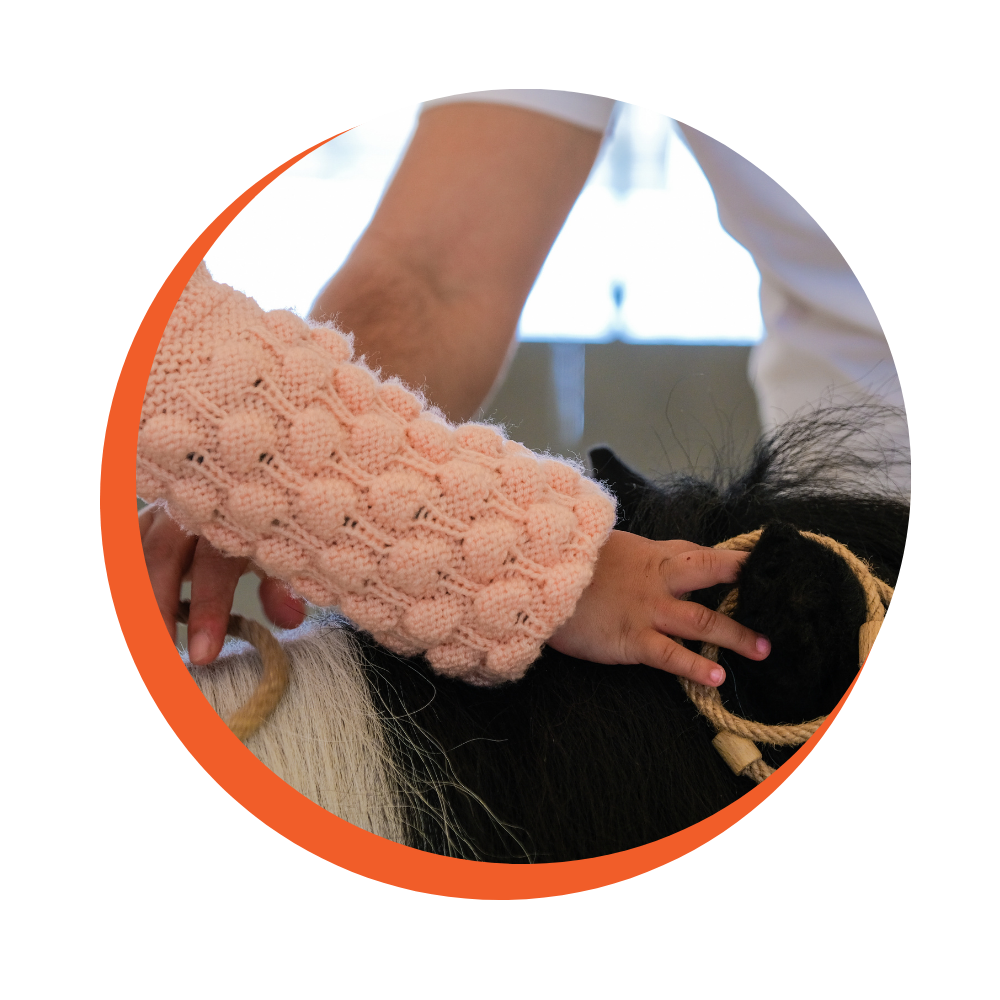
Thus, at the reflex level, almost all muscle groups of the rider were worked out; The development of fine motor skills is stimulated and the formation of complex, precise and clear movements is ensured.
The multidimensional oscillating rhythm of the horse's gait; It resembles the pelvic movements that occur in the normal gait cycle and affects the pelvic girdle of the individual twice as much as a normal gait. Thus, it increases the sensory input in the individual.
What are the Gains of Individuals in the Hippotherapy Process?
- Develops correct gait pattern.
- Sensory Processing disorders increase the mobility of the pelvic and lumbar region joints.
- Improves posture by increasing head and trunk control.
- It improves body balance by stimulating balance reactions.
- Coordination and concentration between movements are provided.
- Increases normal joint movement, flexibility and strength.
- Resting and vestibular skills develop.
- Speech and language skills develop.
- Increases body awareness.
- It increases self-confidence and improves social interaction.
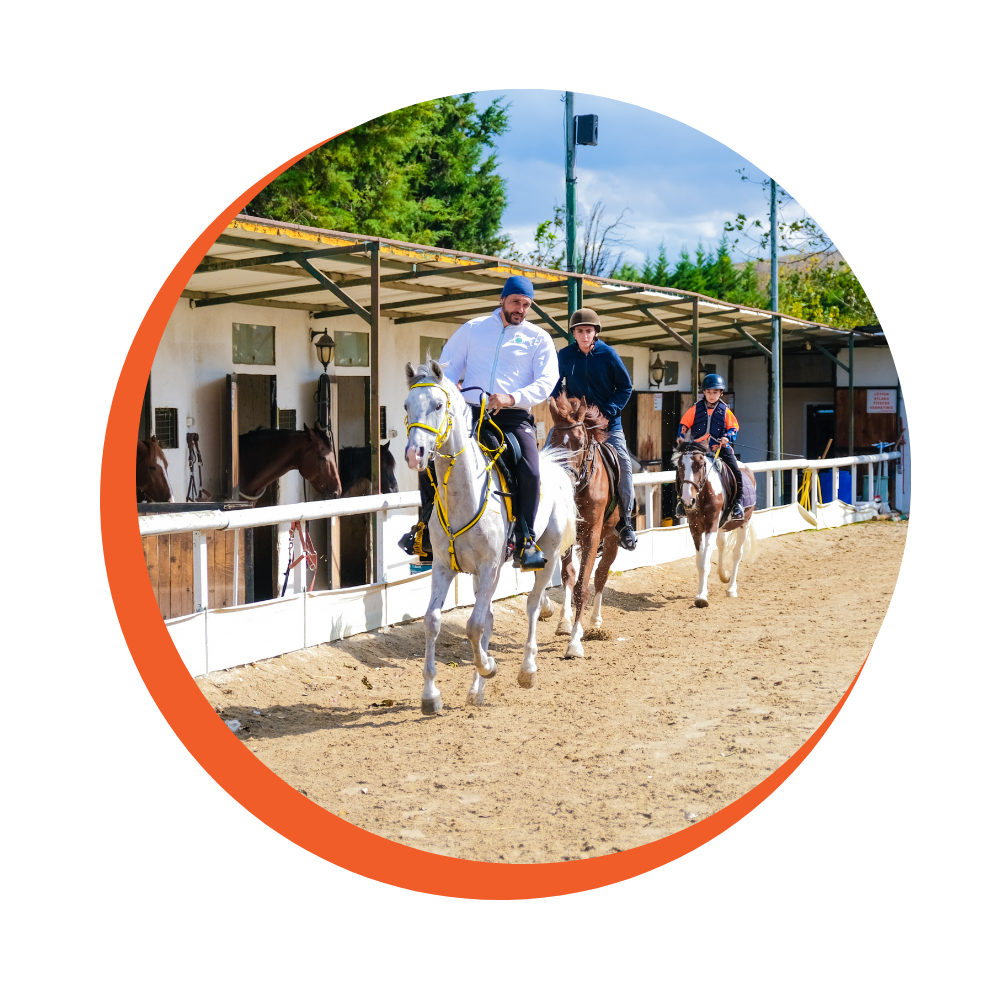
Horse Riding at Autism Anka
What is Equestrian Training?
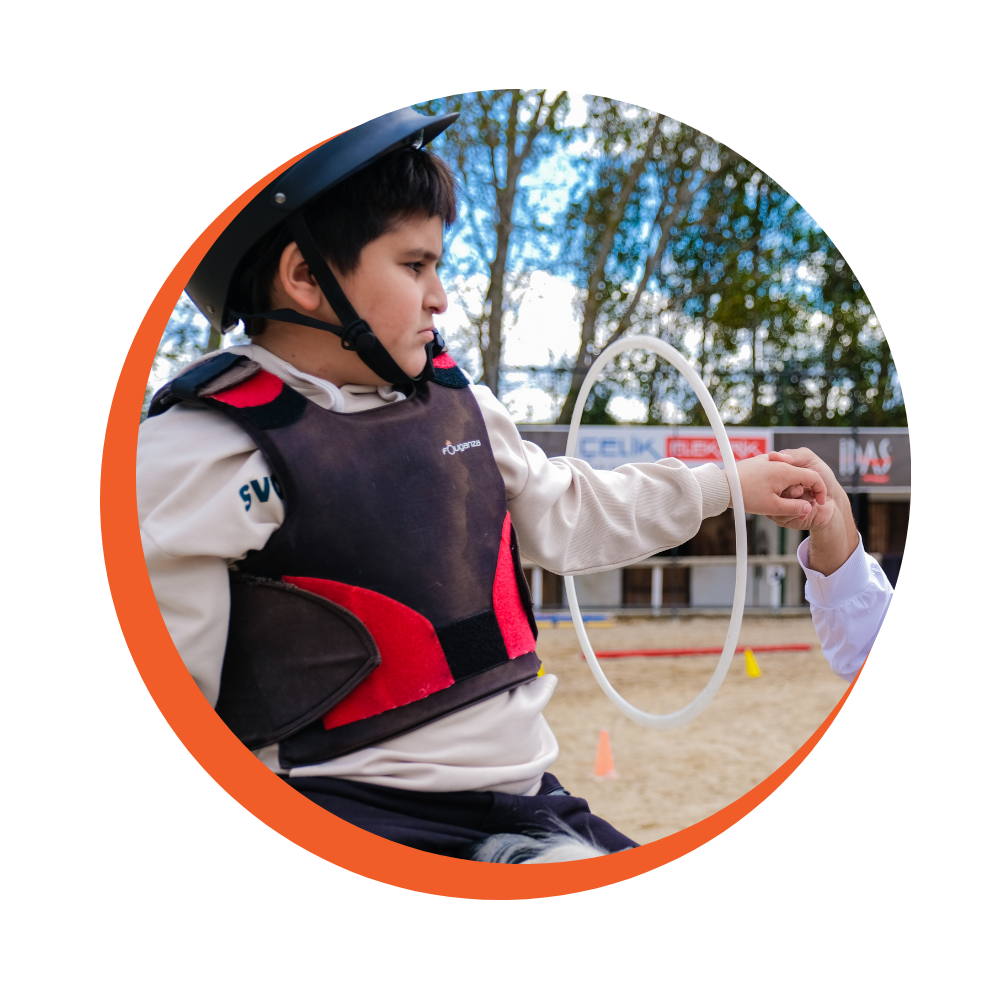
The purpose of the riding training given to individuals with special needs; It is not only to give the individual the ability to ride a horse, but also to benefit from the inputs of the sensory, motor and basic sports skills applied on the horse (ball throwing, ringing, gross motor imitation skills, hand-eye coordination, direction work, etc.) is to provide.
The movements of the horse are variable, rhythmic, repetitive and versatile. Therefore, the movements of the horse are individual; Provides vestibular, proprioceptive, tactile and visual inputs. At the same time, by providing convenience in postural control, sensory systems and motor planning; It contributes to the development of coordination, timing, regulation of motor responses, respiratory control, sensory integrity and attention-demanding skills.
Equestrian training in autism is not a stand-alone method, but a part of a holistic treatment and training program.
What are the gains of the individual in riding training?
- It contributes to the support of large muscle development and sensory integration.
- It supports the development of coordination and balance skills.
- It supports the development of self-discipline and self-control.
- It helps to control emotions and increase communication ability.
- It contributes to the support of social and emotional development together with the bond to be established with animals.
- The person who regularly performs equestrian sports corrects her posture, performs balance and coordination.
Autism Anka Educational Institutions, as the first institution in Turkey to provide sports-based equestrian training to individuals with special needs, primarily allows children to get to know horses, communicate with horses and overcome their fears.
Any rider will tell you the same thing, being on a horse and running freely gives one indescribable happiness.