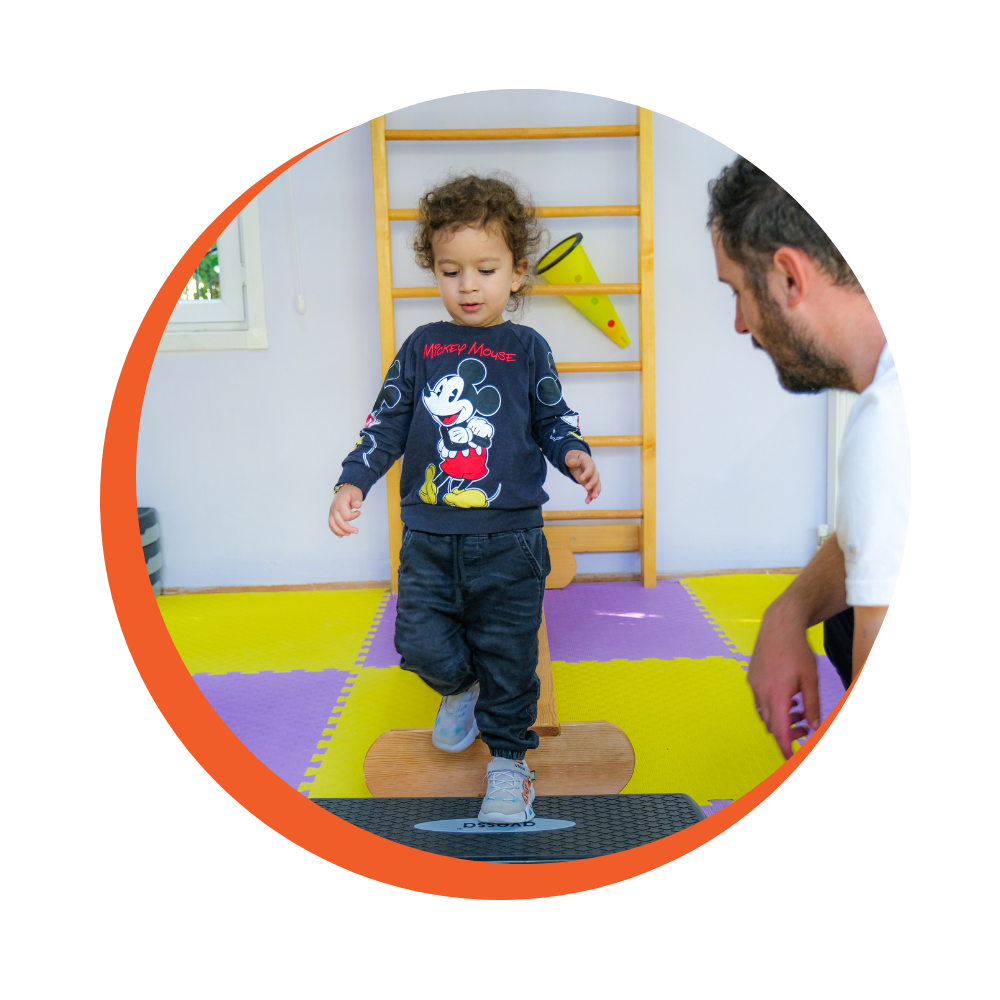
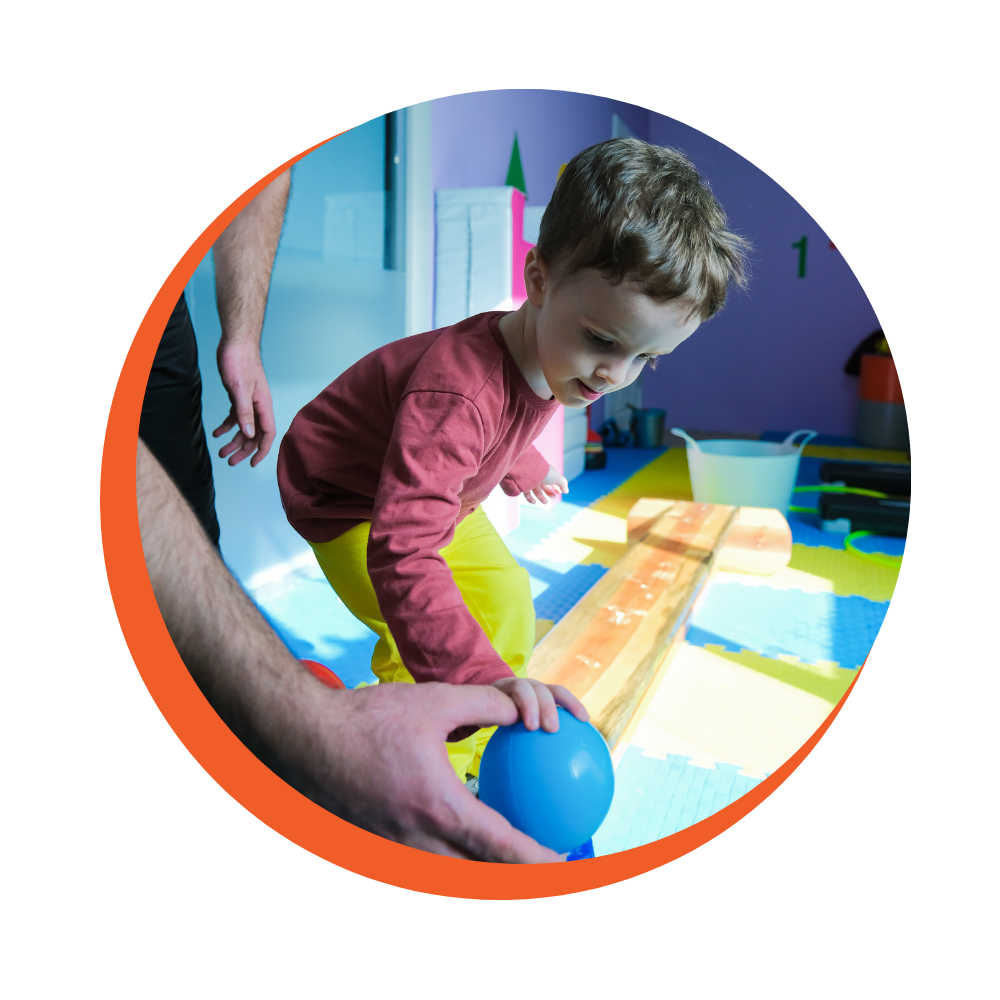
Movement training is the active and effective use of physical movement and the support of the motor skills of the person, and accordingly, the skills of many developmental areas such as attention and concentration, balance and body-area awareness.
Children with autism, who grow up in a limited environment and with limited interaction, have limited communication with other individuals, causing limitations in their personality, social and physical development compared to their peers.
The aim of movement education is to provide all the motor skills required by the age in children with autism, body environmental awareness, sensory processing awareness, providing balance and coordination, improving self-control and attention, strengthening focus and social communication through movement, supporting the acquisition of cognitive skills and accelerating learning.
With movement training, the child's self-confidence increases, his daily life becomes easier, he finds solutions to problems more easily, he socializes more easily, he learns more easily, and most importantly, he can generalize what he has learned to other areas much faster. Movement education and special education are carried out in a coordinated manner, and academic skills are combined with sports to support and generalize their academic skills.
Movement education is carried out especially in early childhood autism, infants with autism risk, children with mild and moderate autism diagnosis, and early childhood children with developmental delay and risk group, by determining its intensity together with the evaluation made by experts.