

Sensory Integration Therapy
We interpret the experiences and sensory information from our environment every day.
The senses from which this information comes: Our sense of sight, hearing, touch, taste, smell, balance and movement (vestibular sense), and our sense of muscle and joint (proprioception). Our sense of balance and movement allows us to know where we are in space and where our head is relative to gravity, while our sense of muscles and joints allow us to know how much force we are exerting and where our body parts are in relation to our body. All these senses provide us with information about our own body and our environment. This process in which our brain organizes and interprets incoming sensory information is called Sensory Integration.
Our sensory system consists of 7 parts.
Vestibular Sense (balance): Located in the inner ear. In connection with gravity, it allows us to perceive where our body is in the field, its speed, direction and movement, and gives us information about it. This system is fundamental to keeping our body in balance and maintaining our body posture.
What are the vestibular inputs?
- Whether we move or not
- It gives us information about how fast we are moving and in which direction we are going.
- The knowledge that our feet are firmly on the ground gives a sense of security.
- At the same time, visual information helps us to understand the relationship between ourselves and other objects in the environment.
- It enables us to move effectively with the contraction of the appropriate muscles and helps us to find different appropriate forms of movement throughout the day.
- Watching objects with the eyes is an example of the effectiveness of movement. This ability is essential for acquiring basic academic skills such as reading and writing.
- Moving different parts of the body in harmony is another important skill. For example, writing depends on making appropriate movements between the shoulder and wrist.
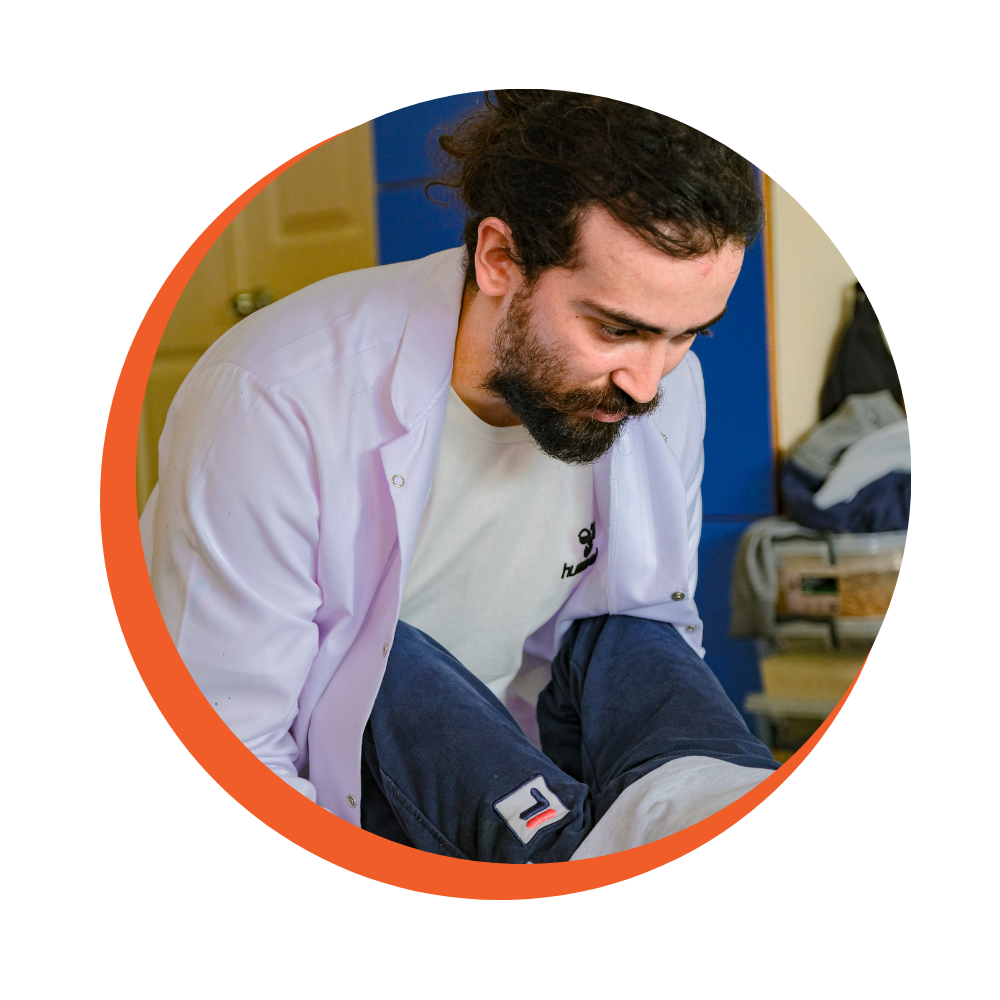
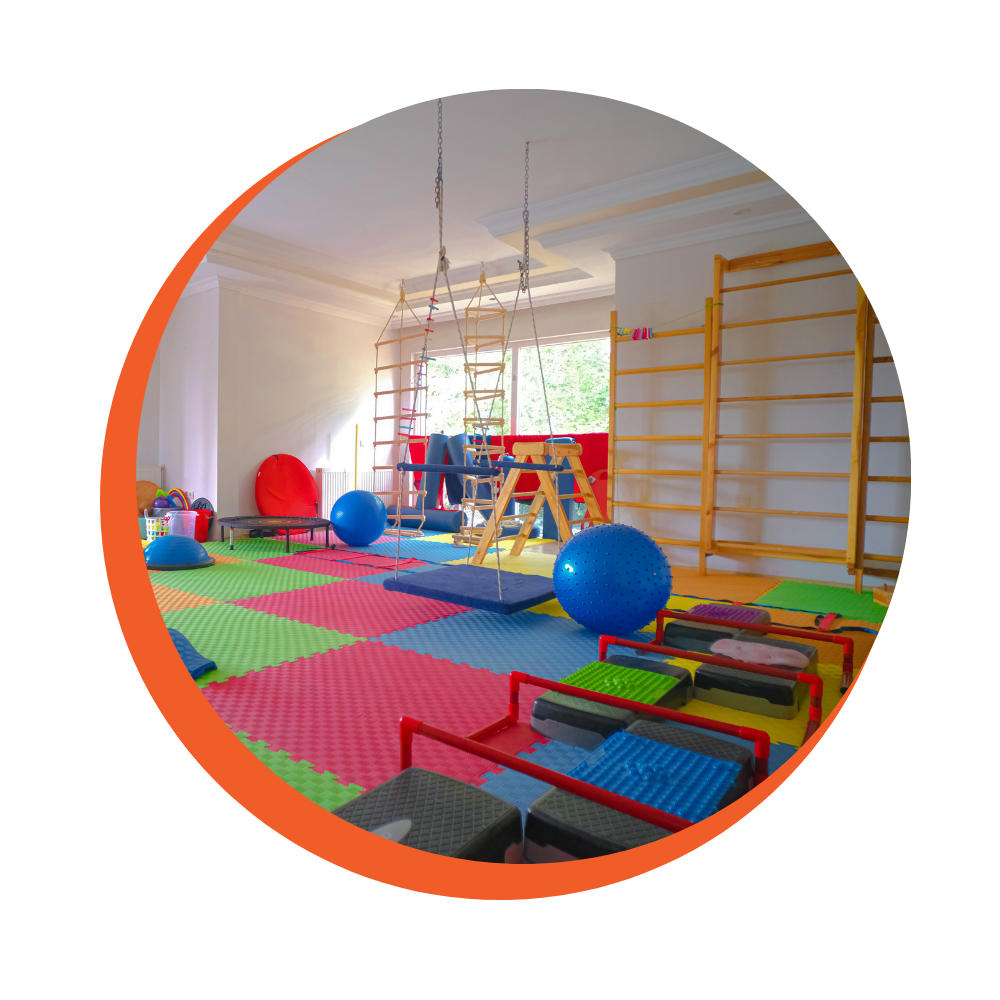
Proprioceptive Sense (body awareness): It is located in the muscles and joints and tells us where our body is. It also gives information about where body parts are and how they move. It teaches us how to use and position our bodies.
Proprioceptive system;
- It gives the person the necessary steps to adapt to the environment and learn to interact with the environment.
- When we close our eyes, it is the senses we call proprioception that allow us to understand the position of our hands, arms, legs, head, in other words, our whole body.
- Proprioceptive perception informs us about the spatial orientation of the body and body parts, the timing of movement, how hard the muscles are strained and how fast they are stretched.
- During movement, muscle-joint and brain transmit information to each other for spatial-spatial-temporal harmony.
- With the integration of this information, we can perform activities that require body posture, skill and strength.
Taste Sense: It is processed by chemical receptors in the tongue. It allows us to perceive different tastes such as sweet, sour, bitter and salty.
Sense of Smell: It gives information about the odors in our immediate environment by processing the chemical receptors in the nose.
Tactile Sense (touch): It is found in the skin, it is the largest organ of the body. Touch is associated with pressure and level of pain and thus helps us distinguish between heat (hot and cold). Touch is an important part of social development. It helps us measure and evaluate the environment we live in and enables us to develop appropriate responses.
Visual Sense: It is located in the retina of the eye and is activated by light. Our sense of sight helps us recognize objects, people, colours, contrasts and spatial boundaries.
Auditory Sense: As a result of the sound waves in the air collecting through the outer ear and stimulating the receptors in the inner ear, they perceive the sounds around us and are interpreted in the brain stem.
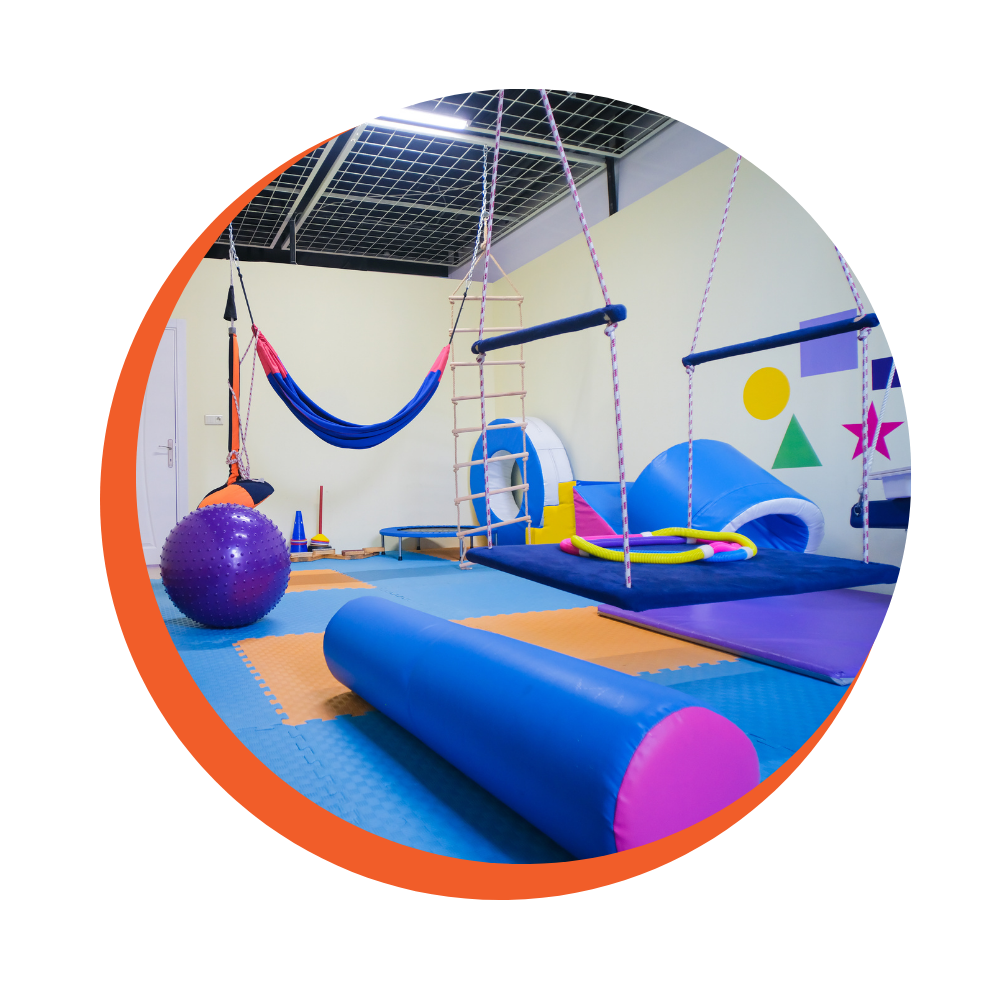
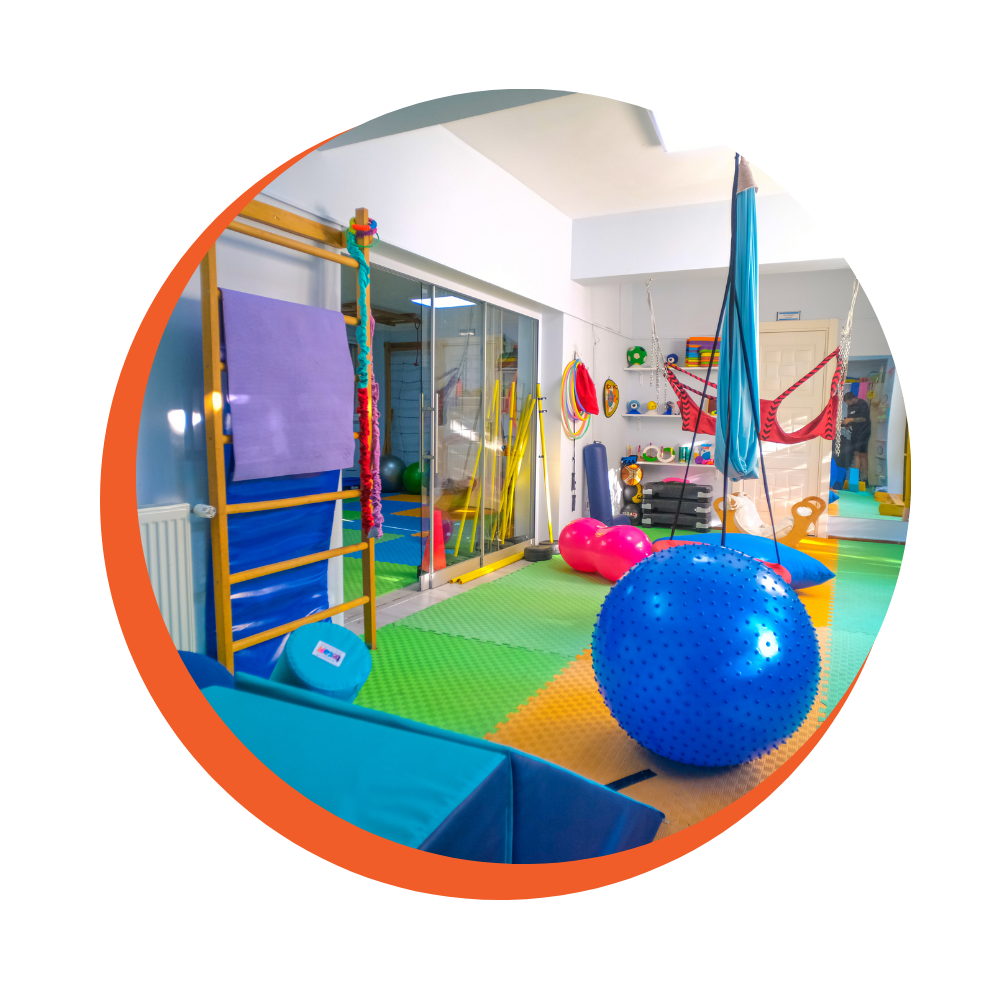
In most children, sensory integration develops through typical childhood experiences. Children develop the ability to interpret, adjust and respond appropriately to the sensory input that comes with these sensory experiences. For example, children; They gain information about the position of their bodies in space through activities such as running, swinging and rolling.
This acquisition/knowledge helps them navigate the world safely. For example; to cross the road safely. However, some children's ability to organize everyday sensory information may not develop as it should. As a result, it can result in difficulties in activities of daily living such as playing, dressing, eating and staying calm.
This indicates that the child has problems with sensory integration. This problem is often described as sensory integration disorder or sensory processing disorder.
What Happens in AUTISM ANKA Sensory Integration Therapy?
The basis of therapy is to present sensory stimuli to the child in various sessions, planned according to the needs and problems of the child.
During sensory integration therapy, each child is considered a different individual in itself because each child has different sensory disorders and of course a different personality.
At the beginning of the therapy sessions, the child is evaluated and it is determined in which areas and how he has problems. It is observed how the disorder in the areas where the child has problems is reflected in his behaviors and an appropriate therapy program is drawn up. As a result of the evaluation, the program is prepared according to the deficiencies of the child and therapy is started. As the child gets to know the child during the lessons, the deficiencies are noted and included in the program when the time comes.
Therapy targets self-regulation, sensory processing, body awareness, motor planning, or the development of gross and fine motor skills. Together with the family and the child, the therapist sets common goals to support the child's development in these areas. In therapy, a session is carried out under the leadership of the therapist, using the child's ideas. The therapist will ensure that these activities become meaningful for the child. Imaginary games are often used to facilitate the transition of the child to the desired activity by the therapist. The therapist will modify the activities to be at the most appropriate level for the child. An optimal level means a level of modification that is not difficult enough to inhibit the child's participation, or so easy that it does not immediately cause him to lose interest. During therapy, the child may appear to be playing normally, but the child and the therapist are working very hard with activities designed to support the child's sensory processes and skill development.
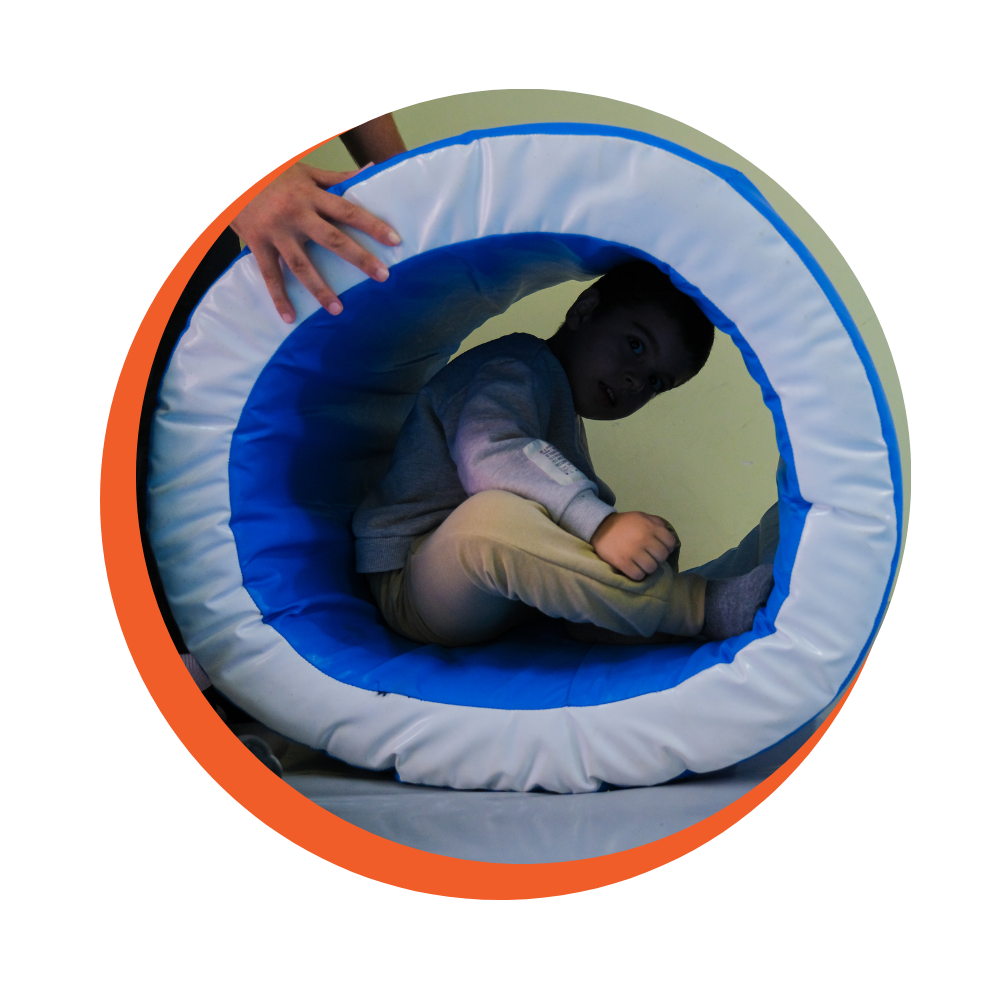
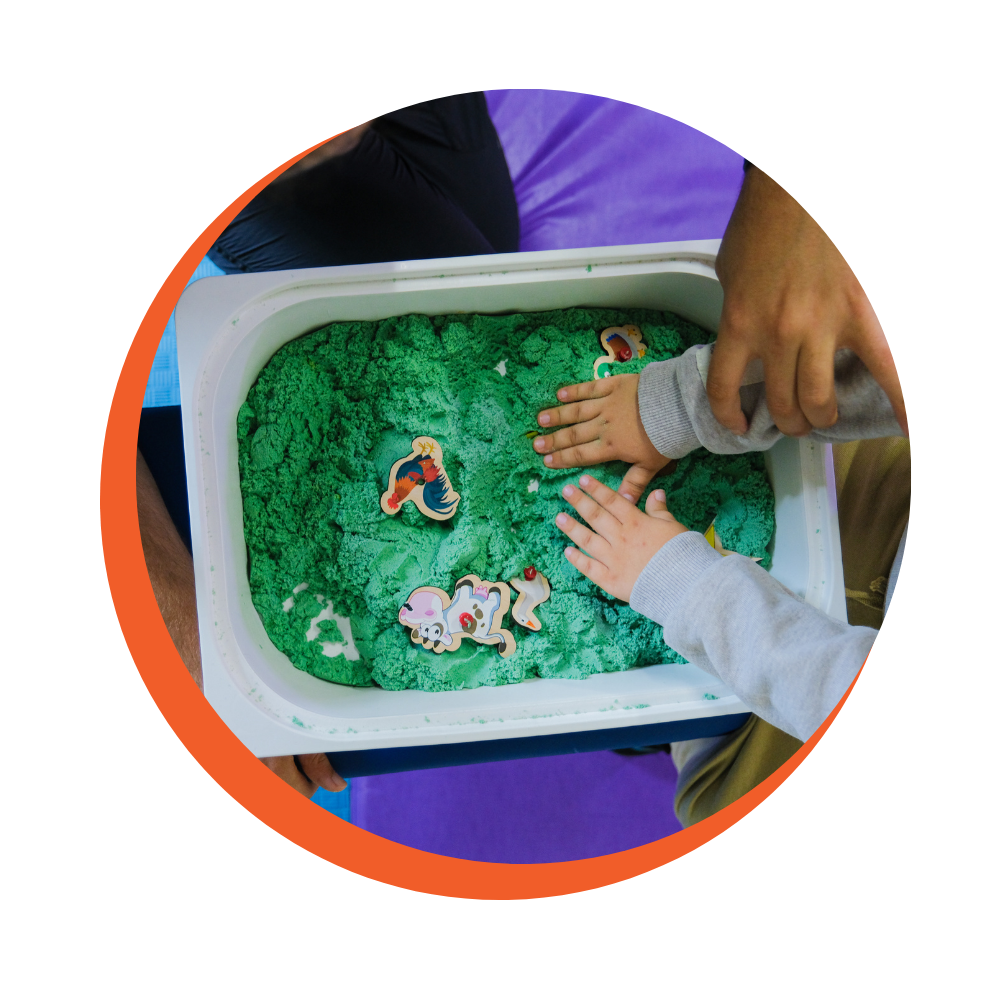
All activities your child is involved in during therapy are purposeful. Activities may be in a manner that supports the development of sensory systems, for example; the child finds an object in the bean box or swings on a special swing. Some activities will support the development of strength and postural control. For example; activities such as climbing or pulling, balancing on a large pillow, or jumping on a trampoline. Other activities will support the development of motor skills, including motor coordination, planning, and timing and movement in space. For example; obstacle courses, going in a certain direction with the scooter board or throwing objects at the target. Therapy will initially focus on improving sensory functioning and developing basic skills such as posture, attention, and regulation, and will move to more skill-based activities as the therapy progresses. Social skills can be developed in therapy with the condition that each child's therapist is with them. The frequency of therapy may vary according to the individual needs of the child.
The basis of therapy is to present sensory stimuli to the child in various sessions, planned according to the needs and problems of the child.